The Kathmandu valley gives runners almost every kind of weather in one year: warm, dry spring days, a wet monsoon and winter mornings close to freezing. What you wear for a run should change with it. Here is a simple plan, season by season.
One rule for every season
Dress for how you will feel ten minutes into the run, not for the first minute. Your body warms up fast once you are moving. If you feel comfortable standing at the door, you will probably be too warm by the end of the first kilometre. Starting a little cool is normal.
Spring and the warm months (March to May)
Afternoons in April and May can get close to 30°C, so most people run early in the morning or in the evening. Keep it light:
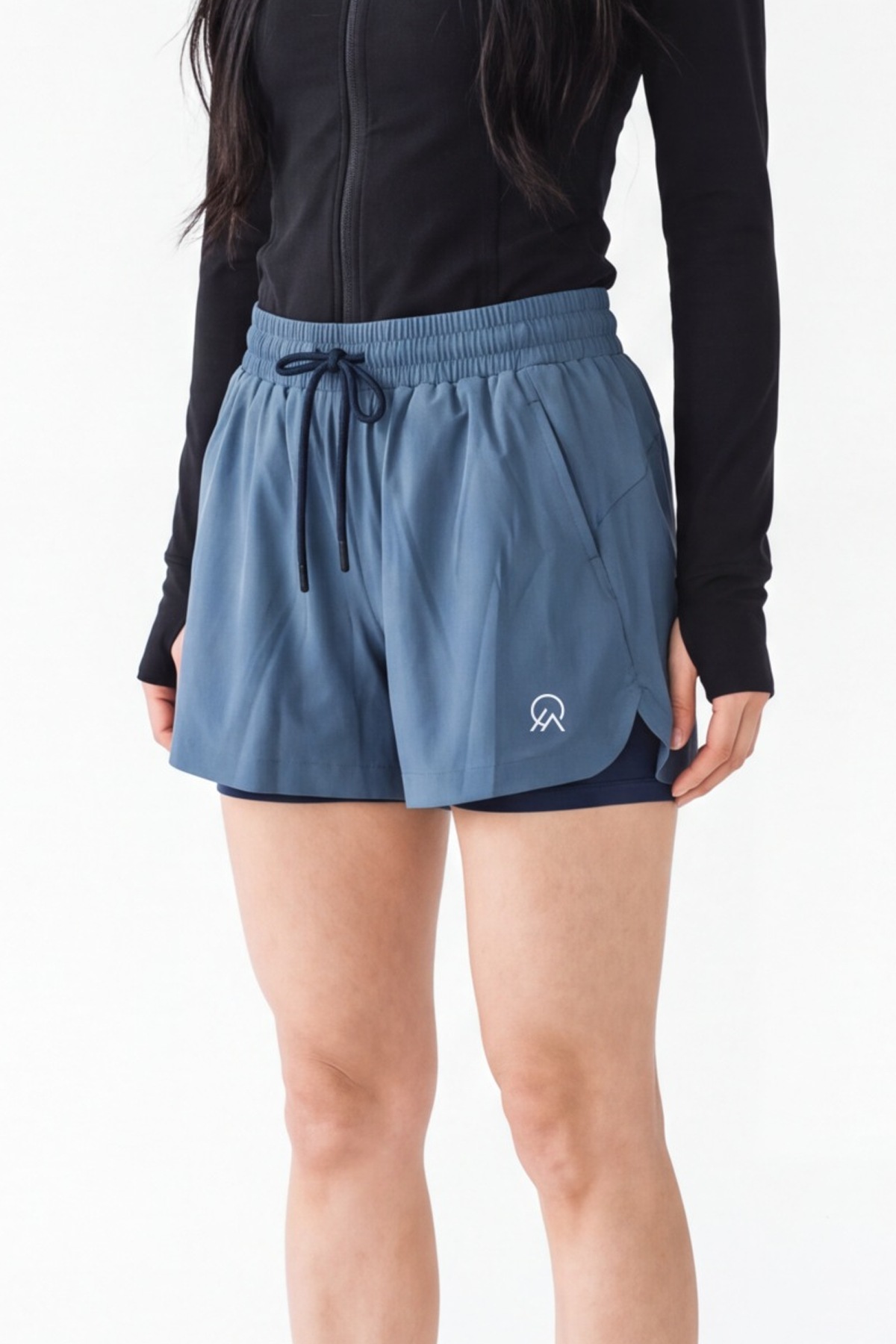
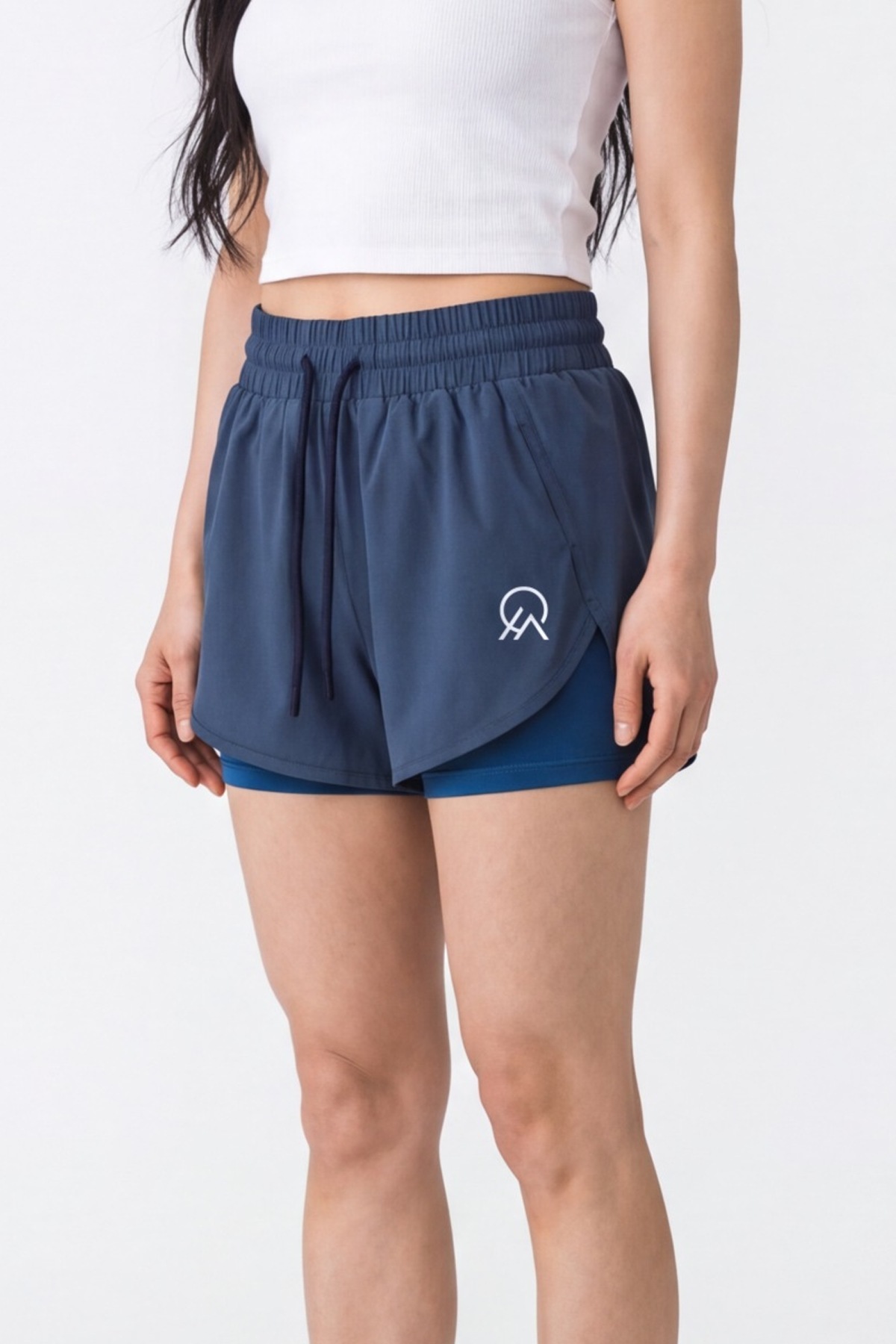
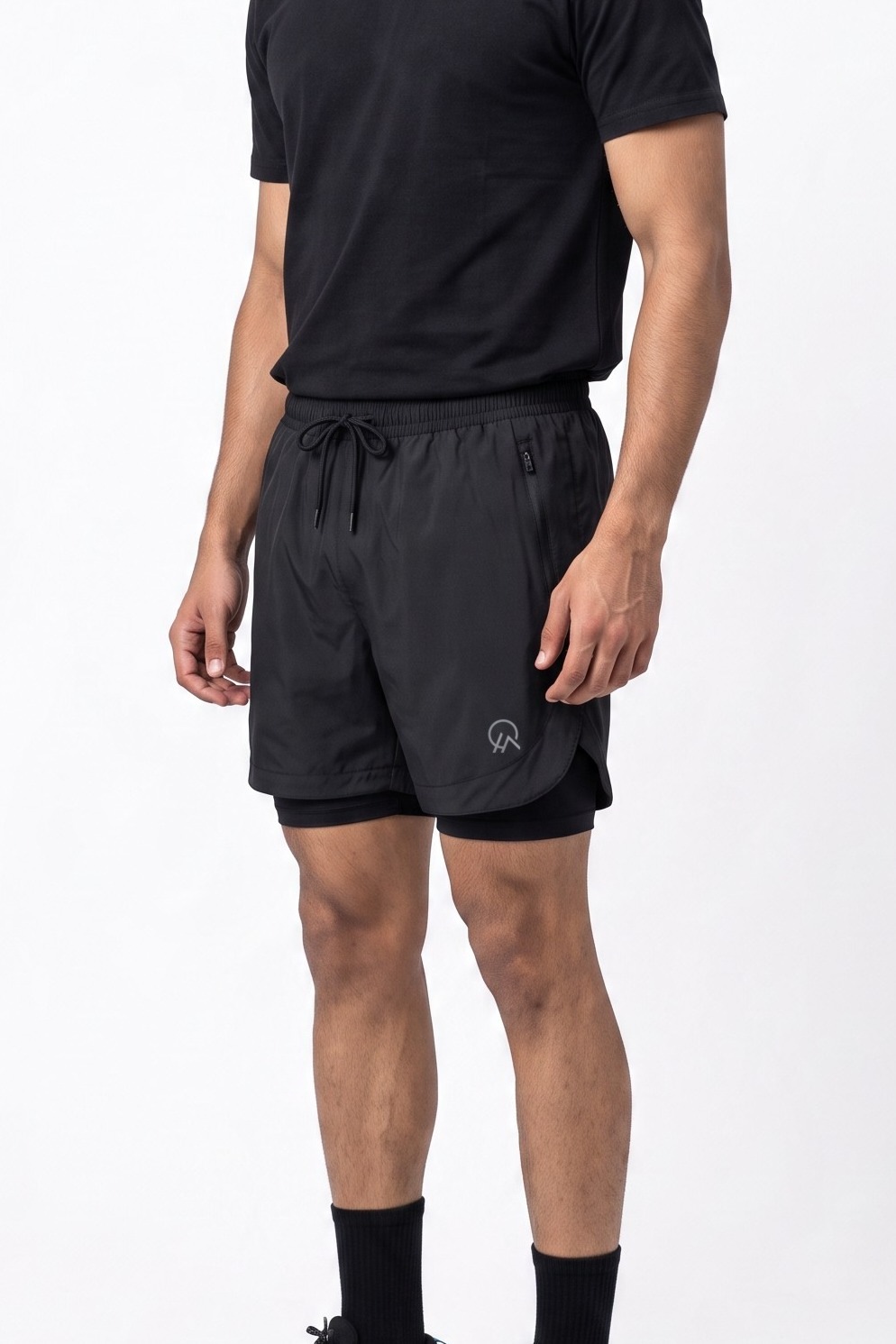
- Shorts with a liner. A loose outer short over a fitted liner stops chafing and nothing rides up. Our Wrinkle Shorts for men and the New Model Shorts and Sporty Lady Shorts for women are built this way.
- A light tank or tee in a quick-drying fabric rather than cotton.
- A pocket for your key or phone, so you are not carrying it in your hand.
Monsoon (June to September)
In the monsoon you will get wet, either from rain or from the humid air, so the aim is to stay comfortable while wet.
- Choose clothes that dry fast. Cotton turns heavy in the rain; synthetic shorts and tops stay lighter.
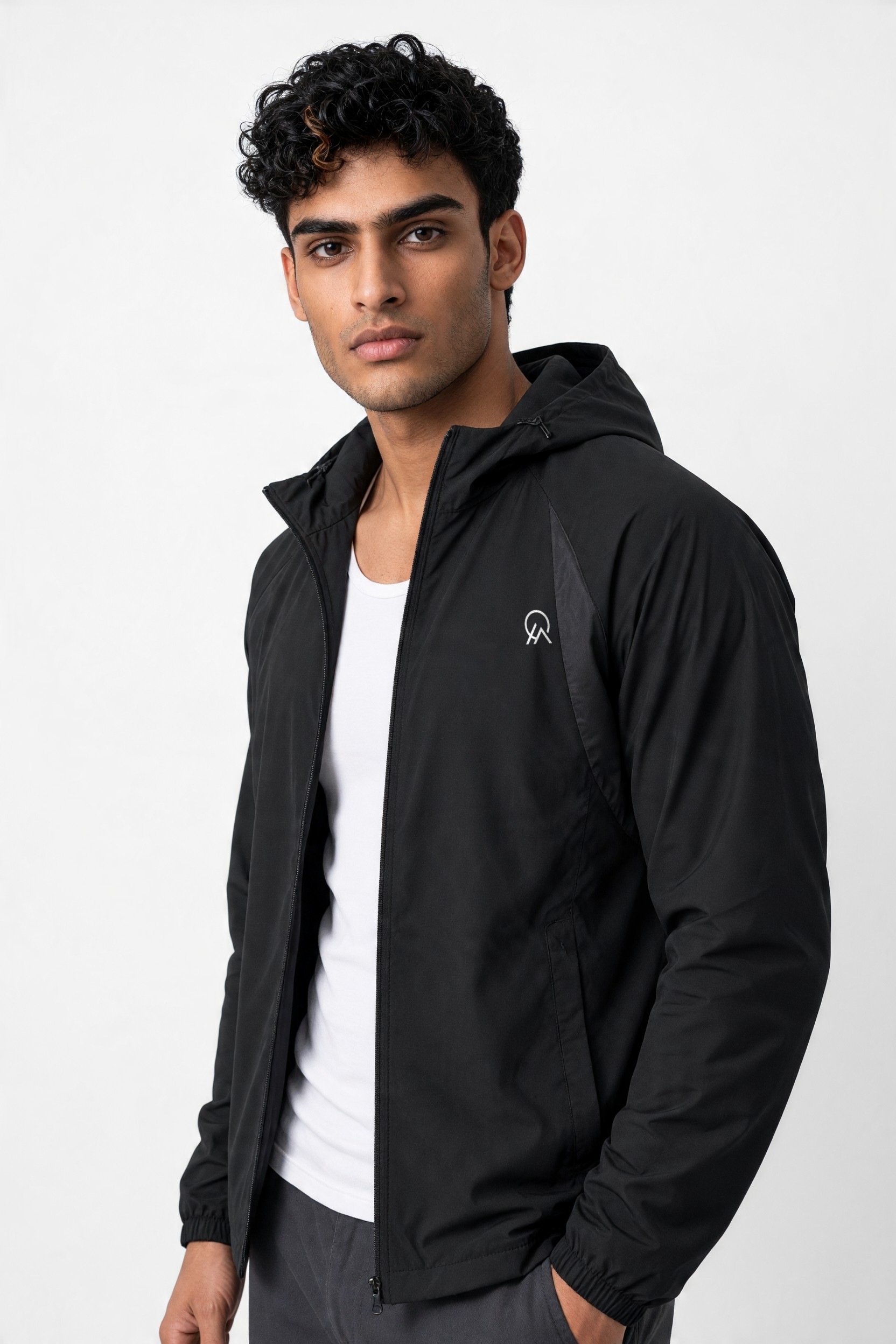
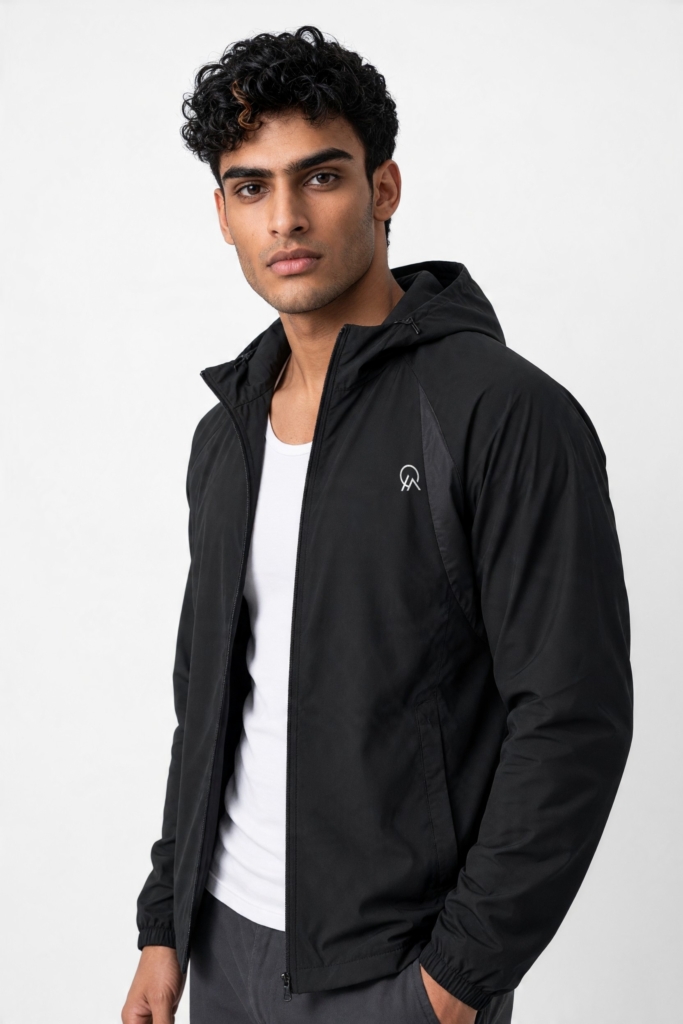
- A light wind cheater helps on cooler, windy days and in light rain. For long runs in heavy rain, a proper rain jacket is the better tool.
- Pick shorts with a zip pocket so your phone stays in place on wet roads.
Autumn (October and November)
Clear skies and cooler mornings make this the easiest time of year to run. Shorts and a long-sleeve top are usually enough. Keep a light layer for the early start and tie it round your waist when you warm up.
Winter (December to February)
Mornings in December and January can be close to freezing, even though afternoons are mild. Layers work better than one thick jacket:
- Base layer: a fitted long-sleeve top close to the skin, like our compression top or the High Neck.
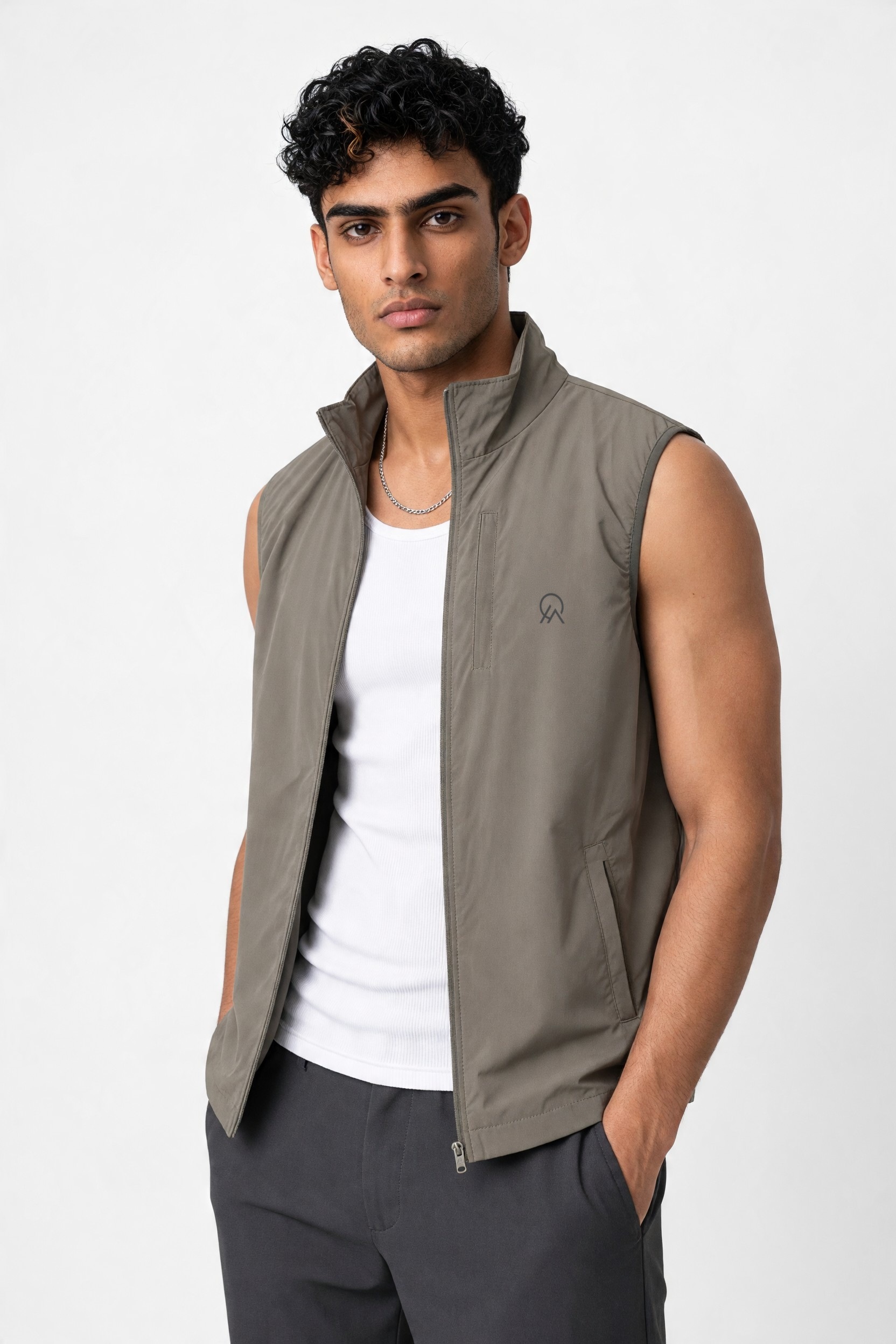
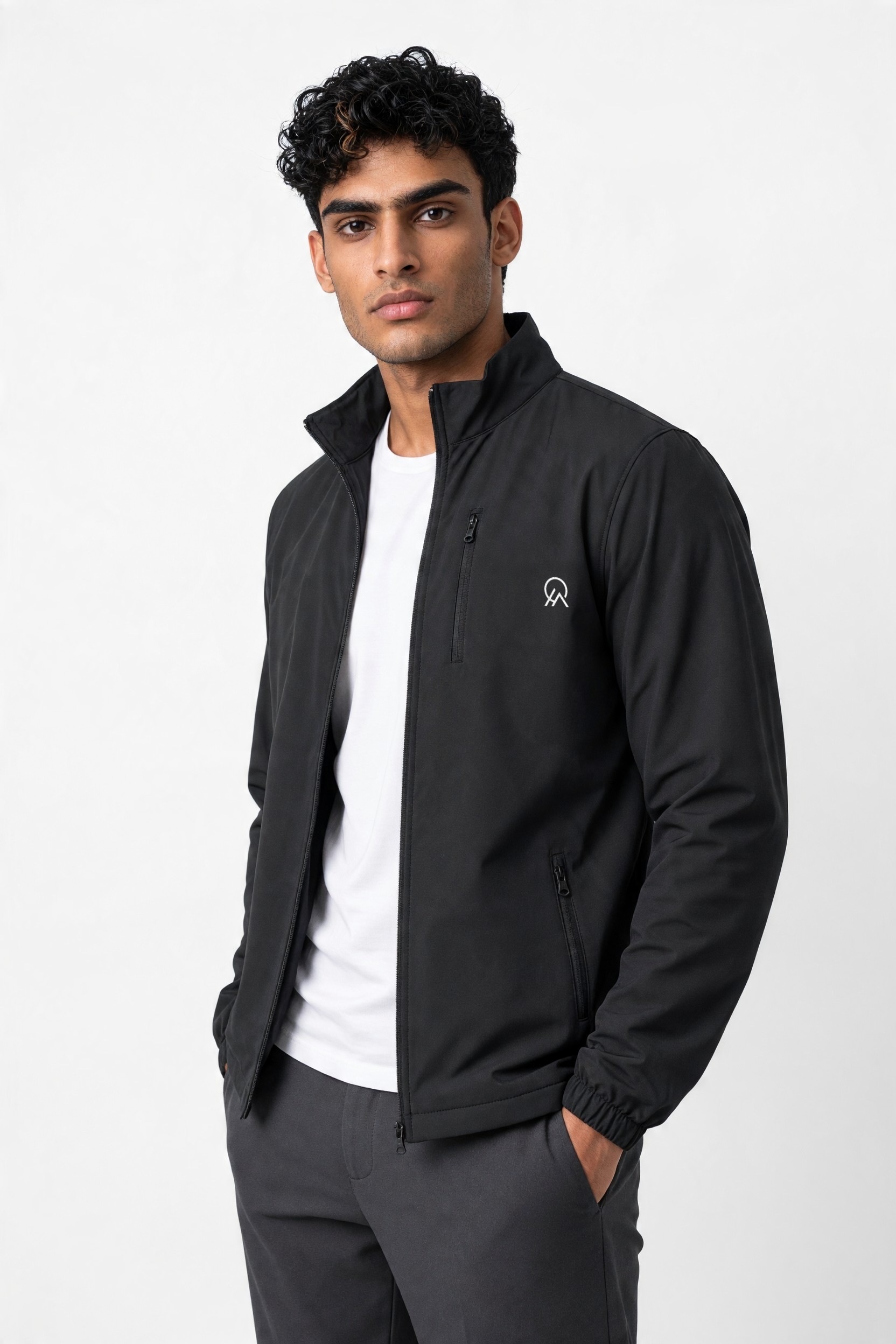
- Outer layer: a wind cheater to block the cold air. The Sporty Wind Cheater has a stand collar and zip pockets; the sleeveless version keeps your body warm and leaves your arms free.
- Legs: full-length leggings or track trousers on the coldest days, shorts once you are used to it.
- Hands and head: thin gloves and a hat make a big difference for the first few kilometres.
Unzip or take a layer off as you warm up rather than pushing on overheated.
Running early or late
Many people run before work or after dark. On roads with traffic, wear something light-coloured so drivers see you, and run facing the traffic where there is no pavement.