Winter in the Kathmandu valley is mostly about mornings and evenings. Days are often sunny and mild, but mornings and nights in December and January can be close to freezing. Most homes and offices have no central heating, so what you wear outside often stays on indoors too. The answer is layers you can add and take off through the day, rather than one heavy coat.
The three layers
Think of it as three jobs: one layer to sit next to your skin, one to hold warmth, and one to stop the wind.
1. Base layer: close to the skin
A thin, fitted long-sleeve top traps a layer of warm air without adding bulk. It should fit close but not tight. Good choices are the High Neck, a slim long-sleeve top with a low mock neck, or the white Long Sleeve Crew T-Shirt. For women, the Long Sleeve Bodysuit stays tucked in, so no cold air gets in at the waist.
2. Middle layer: the warmth
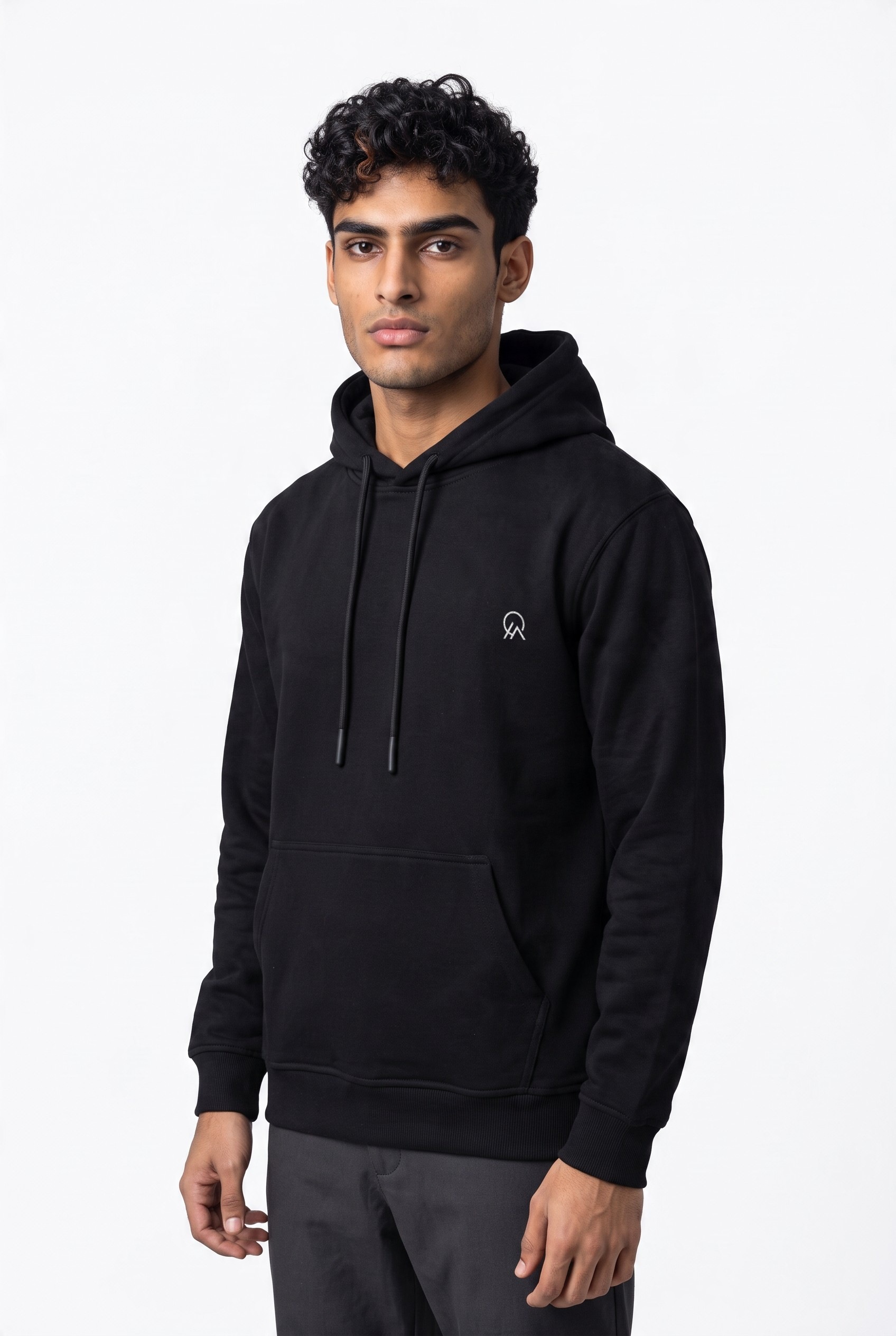
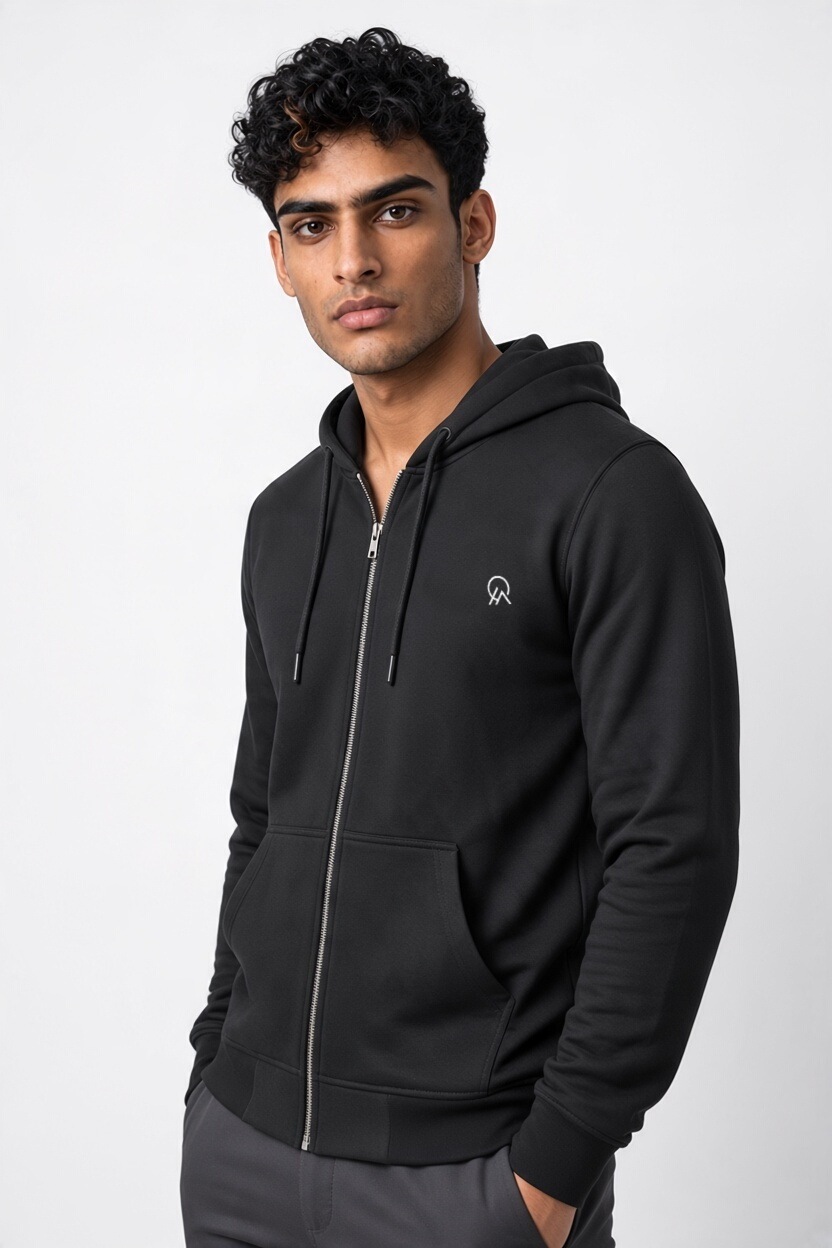
This is the layer that does the heating. Fleece is the easy option: a full-zip hoodie lets you open up when the sun comes out, and a pullover hoodie is warmer around the middle.
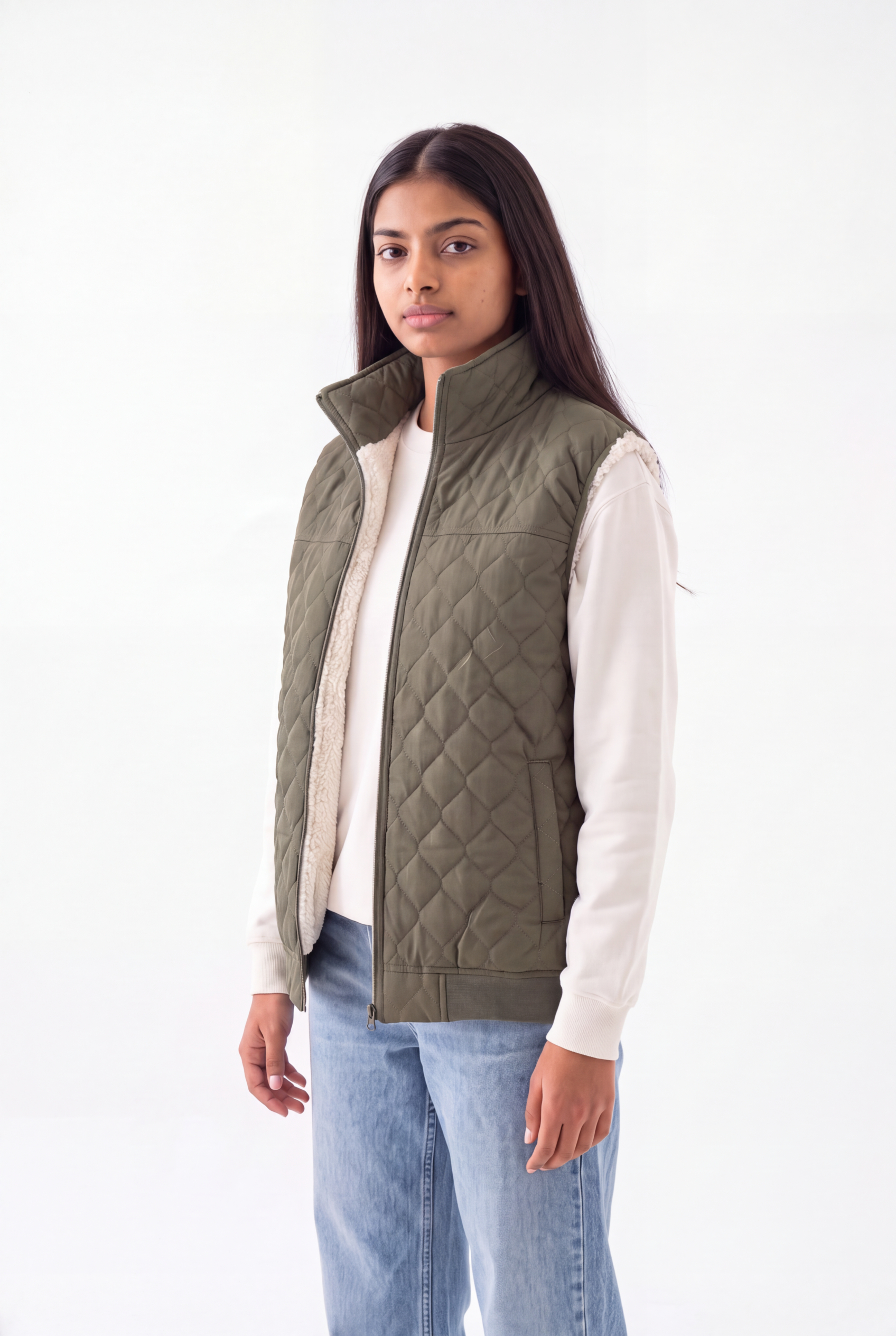
A quilted vest is worth a look too. The Silicon Half Jacket keeps your body warm while leaving your arms free, which makes it easy to wear over a hoodie or under a coat.
3. Outer layer: wind and real cold
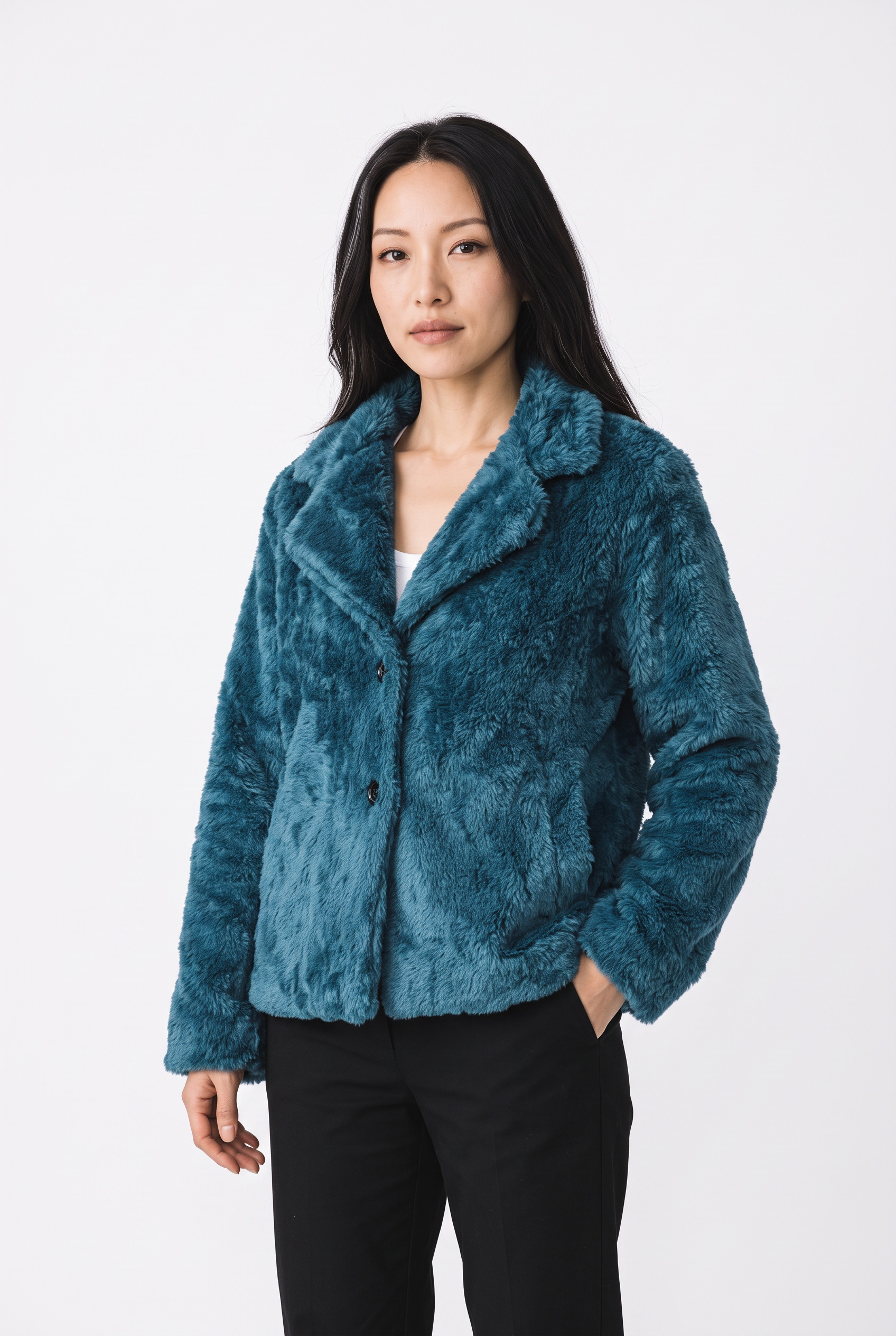
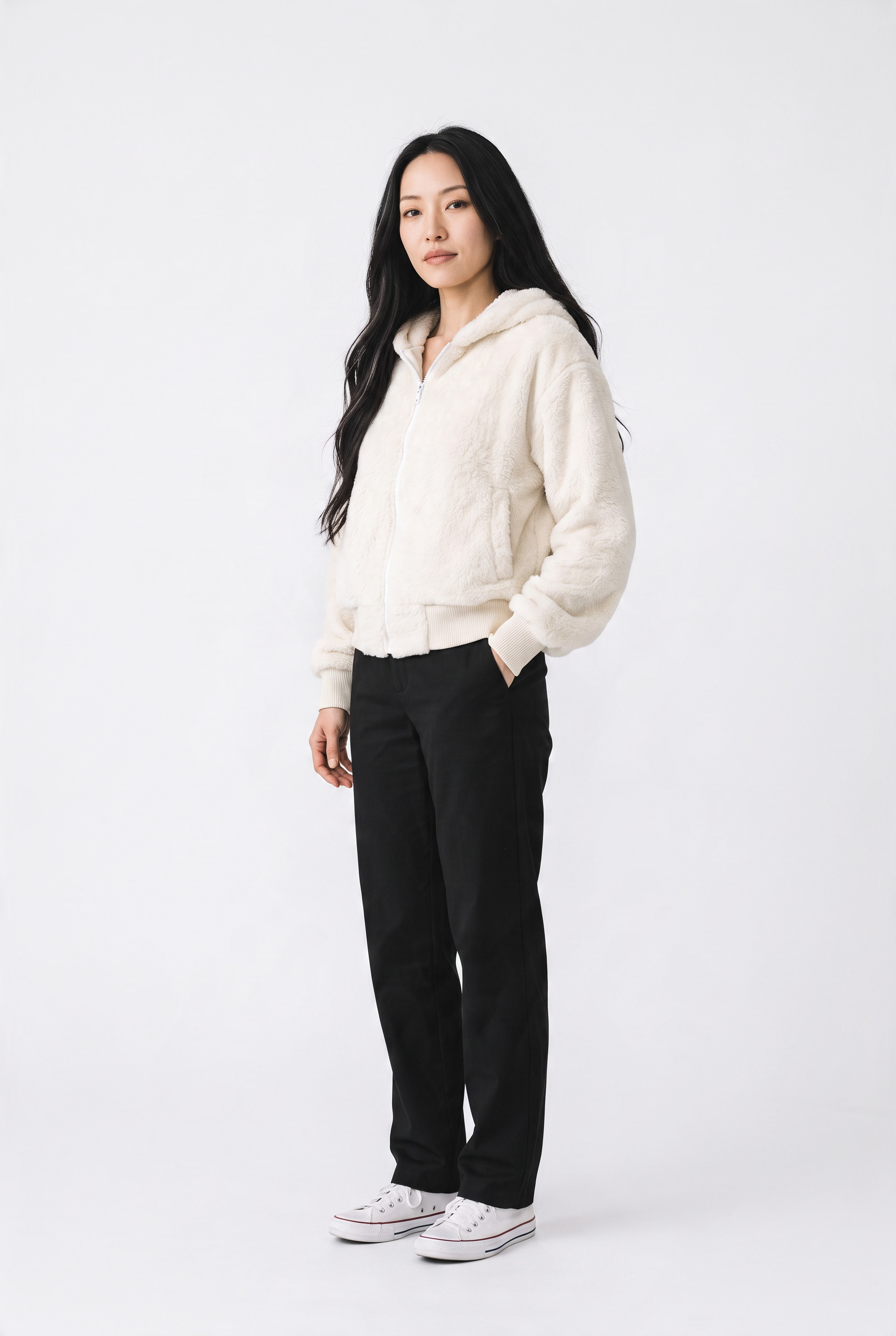
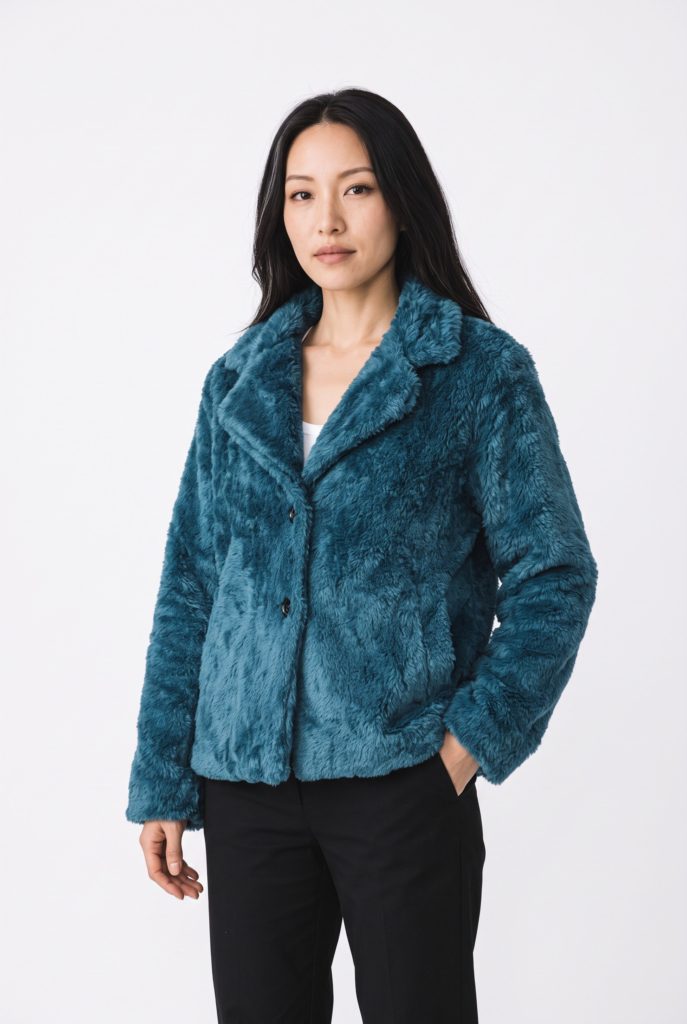
For cold evenings and early mornings, a warm outer layer finishes the job. Faux fur is warm and soft: the Fur Coat is a hip-length coat with a lapel collar and two pockets, and the Fur Jacket has a hood, a full zip and ribbed cuffs that keep the cold out at the wrists.
On windy days, or for a morning walk or run, a light wind cheater over a hoodie blocks the wind without the bulk of a coat.
Putting it together
- Cold morning commute: base layer, hoodie, fur coat or fur jacket. Take the outer layer off by mid-morning.
- Sunny winter afternoon: base layer and an open zip hoodie, or a vest over a long-sleeve top.
- Morning walk or run: fitted long-sleeve base layer and a wind cheater. You will warm up quickly.
- At home in the evening: keep the base layer and hoodie on, and add the vest when it gets colder.
Small things that help
- A collar or hood that closes at the neck stops a lot of heat escaping.
- Ribbed cuffs and hems keep cold air from getting in at the wrists and waist.
- Zips beat pullovers for layering, because you can open them as the day warms up.